
Why Do Bathroom Mirrors Turn Black Around the Edges?
- aquasavvy2198
- Jul 2
- 4 min read

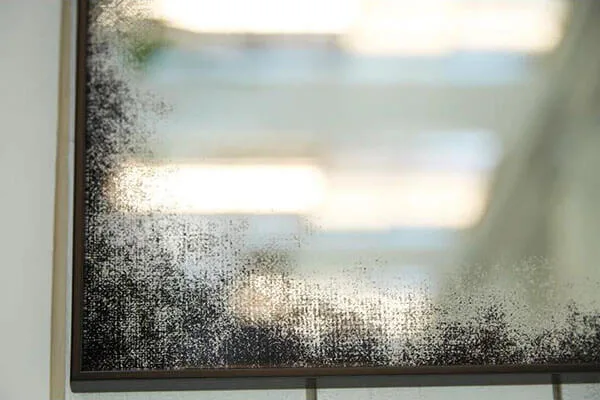
Have you ever noticed dark spots or black edges slowly appearing on your bathroom mirror?
At first, it may look like dirt or mildew, but over time the black areas spread along the edges and corners until the mirror looks permanently damaged.
This is one of the most common problems homeowners experience with bathroom mirrors. The good news is that it isn't caused by poor cleaning—it happens because the mirror itself is deteriorating.
Understanding why mirrors turn black can help you choose a bathroom mirror that lasts much longer.
What Causes Black Edges on a Bathroom Mirror?
The black discoloration is usually the result of mirror desilvering.
Most mirrors are made by applying a reflective silver layer to the back of the glass. This reflective coating is then protected by additional layers of paint or protective backing.
Over time, moisture, humidity, and air can penetrate these protective layers, causing the silver coating to corrode.
As the reflective layer breaks down, black or dark spots begin appearing around the edges.
This process is commonly known as:
Mirror desilvering
Mirror edge corrosion
Mirror oxidation
Black edge mirror damage
Once it starts, the damage is usually permanent.
Why Bathrooms Make the Problem Worse
Bathrooms create the perfect environment for mirror corrosion. Every shower fills the room with warm steam. Moisture settles around the mirror edges, especially if ventilation is poor. Over months or years, repeated exposure to humidity slowly weakens the protective backing.
Common factors include:
Daily hot showers
High humidity
Poor ventilation
Water splashing onto the mirror
Harsh cleaning chemicals
Low-quality mirror backing
Even if you wipe your mirror every day, moisture can still reach areas you cannot see.
Is It Mold?
Many homeowners mistake black mirror edges for mold. In reality, the black discoloration is usually inside the mirror itself—not on the surface. If the dark spots remain after cleaning, the reflective coating has likely begun to fail. Unlike mold, mirror desilvering cannot simply be wiped away.
Can You Repair a Mirror That Has Turned Black?
Unfortunately, not really. Once the reflective coating has corroded, there is no practical way to restore it.
Some companies advertise mirror resilvering services, but they are often expensive and usually cost more than replacing the mirror.
For most homeowners, replacing the mirror is the better long-term solution.
How to Prevent Bathroom Mirrors From Turning Black
Although no mirror lasts forever, choosing the right mirror can dramatically slow the aging process.
Look for mirrors designed with moisture-resistant construction and premium protective materials.
Features to look for include:
Moisture-resistant backing
Corrosion-resistant edge protection
High-quality reflective coatings
Protective mirror sealing
Durable frame construction
Quality manufacturing
Proper bathroom ventilation also helps extend the life of your mirror.
Running your exhaust fan during and after showers reduces humidity and minimizes long-term moisture exposure.
Why Mirror Quality Matters
Not all mirrors are built the same. Budget mirrors often focus on reducing manufacturing costs rather than maximizing durability. Higher-quality mirrors use better materials, improved manufacturing processes, and stronger protective coatings to help resist corrosion over time. This is especially important in bathrooms where humidity is unavoidable. A mirror may look identical on the first day, but after several years, the differences become obvious.
How AQUASAVVY Helps Reduce Edge Corrosion
At AQUASAVVY, we design mirrors with long-term performance in mind.
Our mirrors feature advanced protective construction designed for humid bathroom environments, including:
Nanomembrane protective coating
Moisture-resistant construction
Durable stainless steel framing
Shatter-resistant safety film
Premium manufacturing materials
These features help reduce the risk of premature edge deterioration while providing a cleaner, longer-lasting appearance. Instead of focusing only on appearance, we focus on building mirrors that continue looking beautiful year after year.
Other Signs It's Time to Replace Your Mirror
Besides black edges, you may notice:
Dark spots spreading across the surface
Peeling backing
Cloudy reflection
Rust around the frame
Permanent stains behind the glass
Distorted reflection
These are all signs that the mirror has reached the end of its service life.
How to Extend the Life of Your Bathroom Mirror
A few simple habits can help your mirror last longer:
Turn on the exhaust fan during every shower.
Keep water from pooling around the mirror edges.
Avoid spraying glass cleaner directly onto the edges.
Wipe moisture away with a soft microfiber cloth.
Choose a high-quality mirror designed for humid environments.
Small maintenance steps can add years to the life of your mirror.
Final Thoughts
Black edges are one of the most common reasons homeowners replace bathroom mirrors.
While humidity cannot be eliminated, choosing a better-built mirror can significantly reduce the risk of mirror desilvering and edge corrosion.
If you're investing in a new bathroom mirror, look beyond style alone. Consider how the mirror is built, the materials used, and how well it is designed to perform in humid environments.
A quality mirror should continue looking as good years from now as it does on the day it's installed.
Frequently Asked Questions
Why do mirrors turn black around the edges?
Black edges usually occur because moisture causes the reflective silver layer inside the mirror to corrode over time.
Can black mirror edges be repaired?
In most cases, no. Once mirror desilvering begins, replacing the mirror is usually the most practical solution.
Is a black bathroom mirror dangerous?
No, but it is a sign that the mirror has deteriorated and its reflective coating is failing.
Does humidity damage mirrors?
Yes. Bathrooms with frequent steam and poor ventilation are the most common places where mirrors develop edge corrosion.
How long should a quality bathroom mirror last?
A well-built mirror installed in a properly ventilated bathroom can last many years. Choosing moisture-resistant materials and maintaining good airflow helps extend its lifespan.
How can I stop my bathroom mirror from turning black?
Improve bathroom ventilation, avoid prolonged moisture exposure, and choose a high-quality mirror designed with corrosion-resistant construction and protective coatings.


Comments